The City’s website is currently undergoing upgrades, and as a result, some pages may be temporarily unavailable. Thank you for your patience.

Object of the month

April 2026

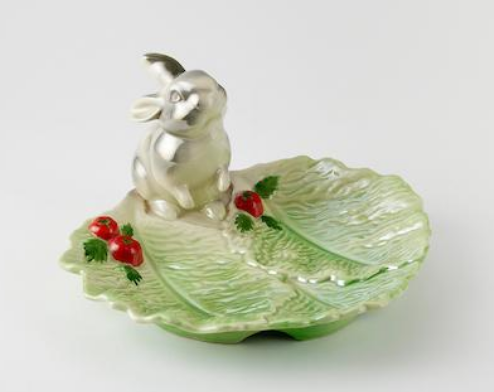
Hoppy Easter every bunny

Wembley Ware is iconic Western Australian pottery renowned for its lustrous glaze and distinctive designs. Manufactured at the Bristile factory in Subiaco from 1946 to 1961, it captured the essence of mid-century modern style.

This beautiful Wembley Ware platter of green lettuce leaves, red tomotoes and a grey rabbit has been finished with a lustre glaze. This plate belonged to the Viska family of Floreat Park, and who used it on occasions.

To view the fully Wembley Ware collection of Subiaco Museum, visit our online gallery on CollectionsWA.

All aboard!

Travel back in time through the history of transportation in Subiaco.

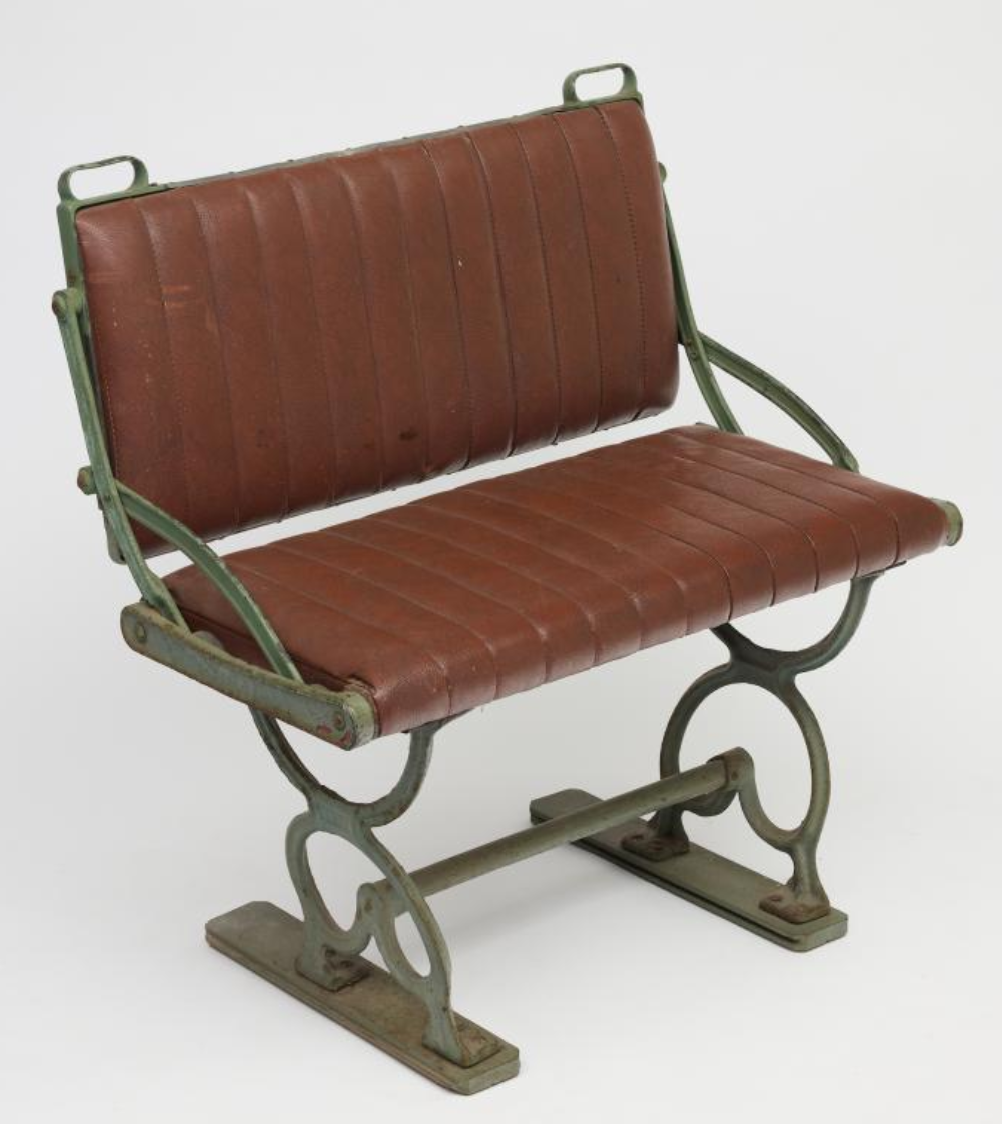
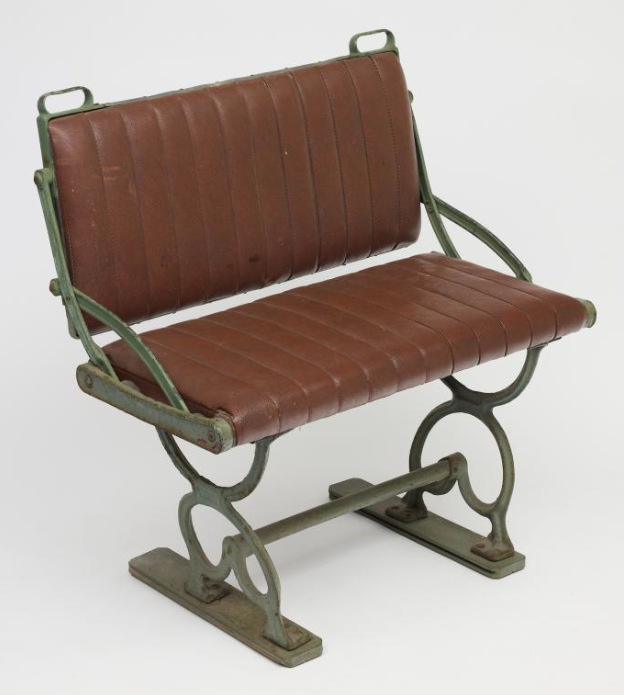
This tram seat was from the Subiaco tram which ceased operation in 1958. It's green painted metal frame and ornate legs are complimented by the brown marbled vinyl leather upholstery.

The March Museum Morning talk is all about trams, trains and automobiles. Visit the event listing to find out more and book in.

The summer of sport was celebrated in January and Subiaco Museum was in the sporting spirit! 

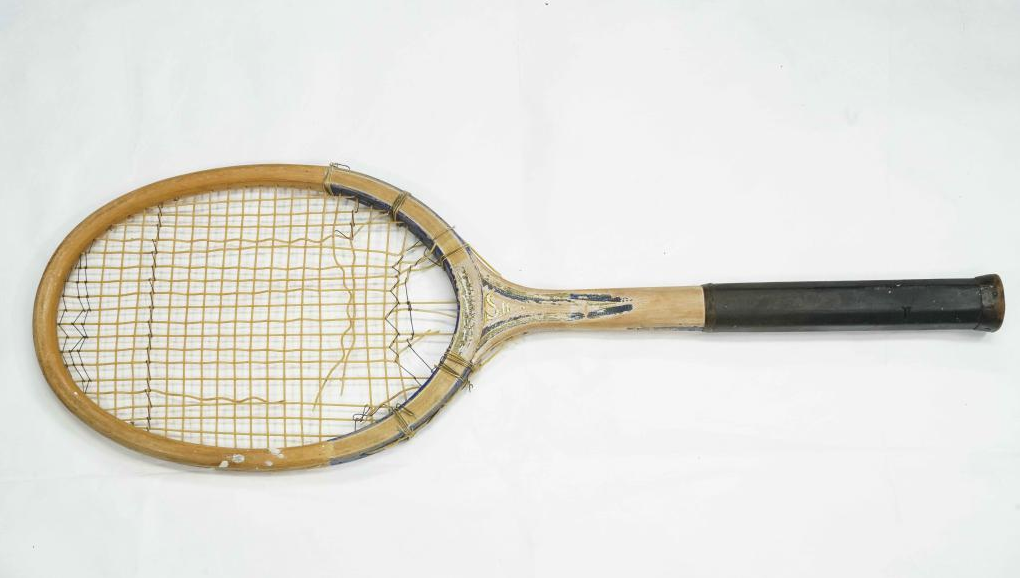
Tennis racquets were the January object of the month, serving us into the new year. Mr and Mrs J E Mitchell of 11 Rankin Road, Shenton Park used these racquets for social tennis in the 1930s. Written on the head of the handle is 'Boans Ltd, Alexander. Made in Australia.'

To see more of our sporting collection and to find out about the history of sport in Subiaco visit us online at CollectionsWA

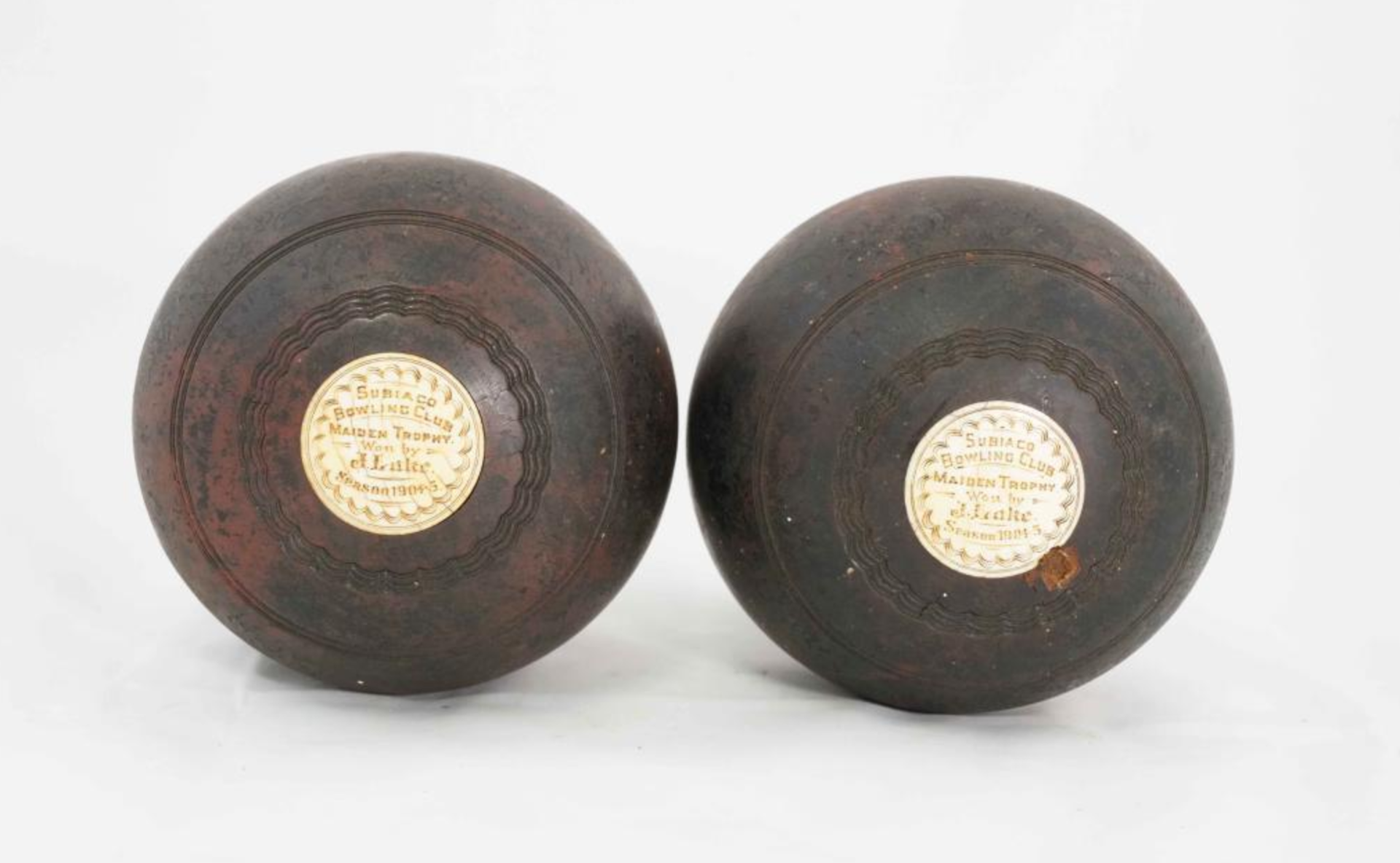
February's object of the month was a pair of wooden bowls for lawn bowling. These bowls are lead weighted with ivory dedication plaques inscribed "Subiaco Bowling Club, Maiden Trophy, won by J. Lake, Season 1904-5". 

Mr Joseph Lake was one of the very first representatives elected to sit on the Subiaco Municipality back in 1897. Mr Lake built his family home on the corner of Bagot and Salisbury Road, it is still standing today. 

To see more of our sporting collection and to find out about the history of sport in Subiaco visit us online at CollectionsWA

Dress to impress

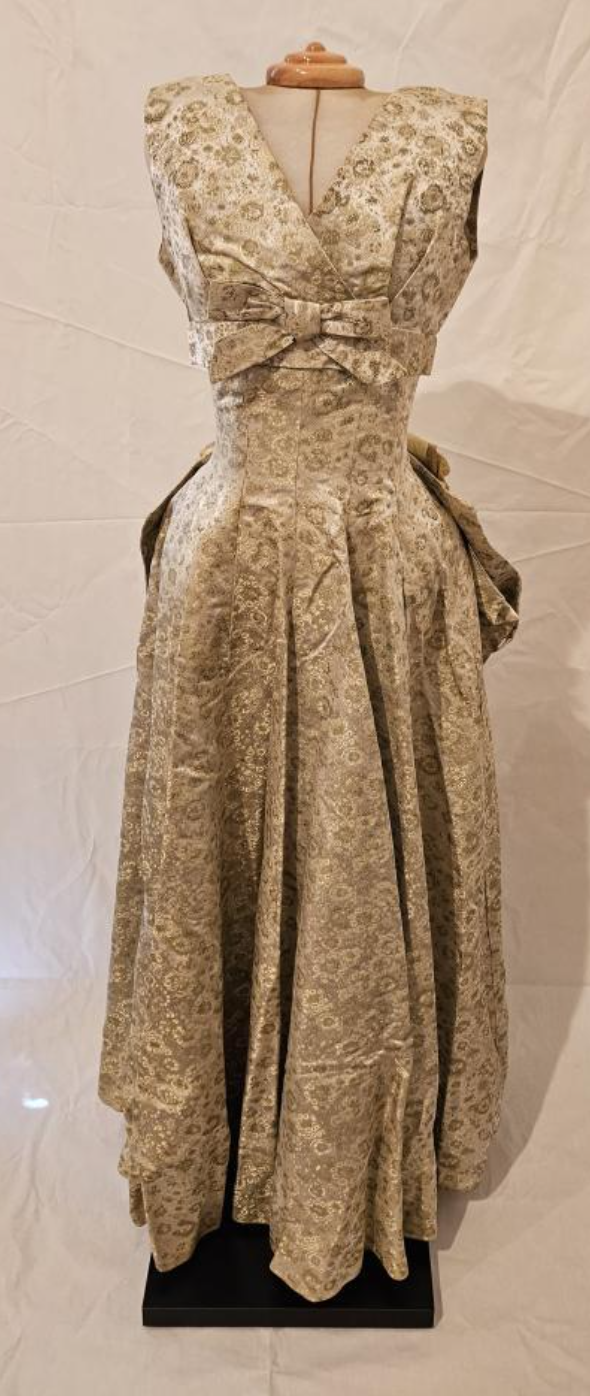
Previously owned by Mrs Abrahams, wife of former Mayor Abrahams, this beautiful full length sleeveless dress is made of heavy brocade in two shades of lime green. 

Circa 1955, this dress represents the height of fashion and would have been supported by underskirts or a crinoline to showcase the fullness of the gown and bustle.

Mrs Abrahams as the wife of the Mayor, would have been in higher social circles than the everyday woman, and met the Queen in 1954 and then the Queen Mother on her visit in 1958.

To see more of our costume collection including gloves, undergarments and children's attire visit CollectionsWA

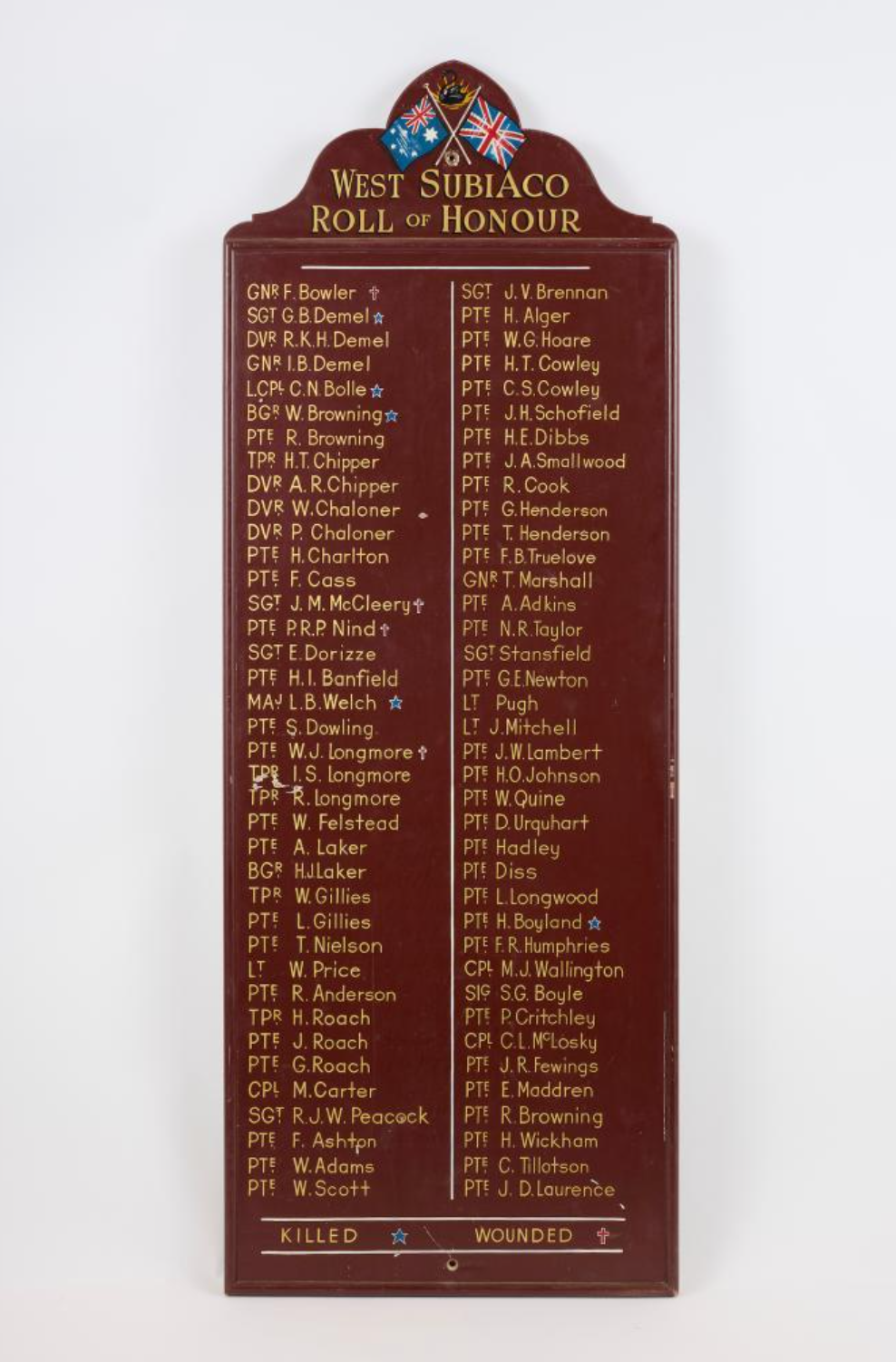
A WWI Roll of Honour is the April object of the month. This board lists 76 names of men who served in the First World War from West Subiaco, with a blue star denoting those who were killed and a red cross those who were wounded.

According to the donor, the honour board hung in Progress Hall at 308 Onslow Road from approximately 1920 until the building was demolished. It was then hung in the Shenton Park Community Centre at 240 Onslow Road from 1983 to 2014, when it was donated to the museum.

To see more items from the military and wartime collection visit CollectionsWA

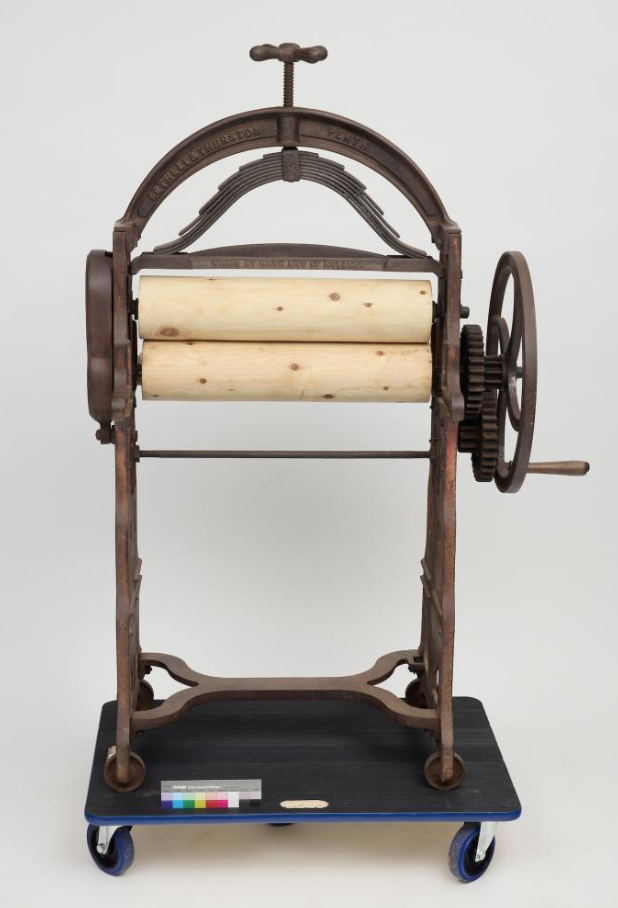
This heavy-duty iron framed beauty used for domestic laundry is known as a mangle. Cogs on one end work together when an iron wheel and handle are turned, placing heavy pressure on the wooden rollers to smooth dry linen following washing, or to wring water from wet washing. 

This mangle was owned and used by Esther Hiddlestone who resided at 72 Nicholson Road, the first house between Union and Coolgardie Streets, Nicholson Road. The Hiddlestone family's electrical goods shop was on the western side of Rokeby Road until approx. August 2003.

In 2024 this item was conserved with the old wood logs removed and replaced and the iron sandblasted, resoldered for stabilisation and sealed with renaissance wax. 

Find out more about this mangle and other domestic items from the early 1900s on CollectionsWA

The first tram to enter Subiaco made its way along the streets in 1899, and almost 60 years later the Subiaco tram ceased running, taking its final trip down Rokeby road in 1958. 

This seat from Subiaco tram has a green painted metal frame with ornate legs, low arms and two hands atop a back rest. 

The feet screded onto peices of wood that would have been attached to the tram floor. 

The seat is covered in a brown marbled vinyl which seems relatively new and was probably re-upholstered.

To learn more about trams and transport in Subiaco, visit our digital collection at CollectionsWA or pop by Subiaco Museum for a chat. 

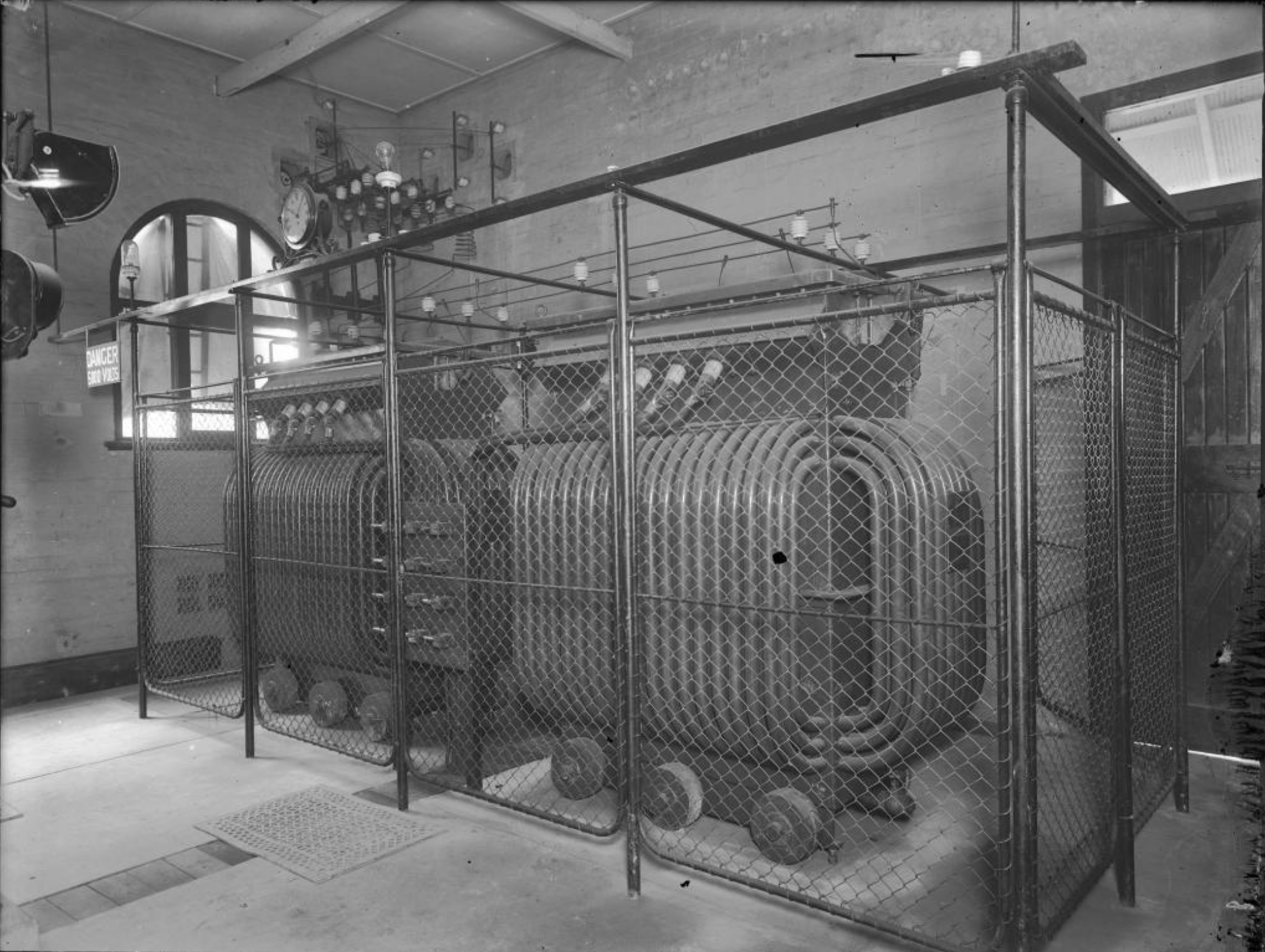
The July object of the month is this photograph of the main gallery space housing the large electrical turbines from its previous life as Subiaco Sub Station number 2 for the Subiaco Municipal Electric Light Supply.

The old wooden door and arched windows of the building are still in the rear gallery and a large storefront cabinet now runs along the wall where this turbine once stood. Architectural remnants of the building’s former life can still be seen today, including three insulated power points on the front of the building and a sign that reads ‘DANGER 6000 volts’.

Take a look back at the past life of Subiaco Museum on CollectionsWA.

“Out of the darkness shall come light at Subiaco shortly. The gloom which at present surrounds that popular suburb will be brightened by lines of electric lights and houses will be made more cheerful.” (The Daily News, 21 May 1903, p3.)

 

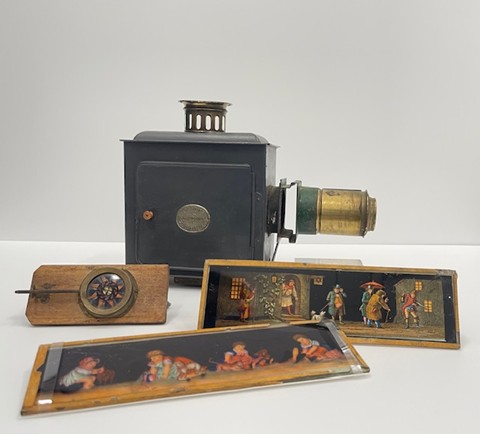
Showcasing cinema in September we have a children's toy magic lantern projector as our object of the month. 

This item was used with miniature glass slides and was illuminated by a candle, paraffin or similar burner to project images onto a wall or screen. 

The magic lantern hit peak popularity between the late 18th century and the early decades of the 20th centure. It was widely used for both entertainment and educational purposes. 

Find out more about this fantastic invention via CollectionsWA and come see it in action by visiting Subiaco Museum.

In the early 1900s Subiaco was known as a town 'built on a Sunday' with construction sounds echoing each weekend. 

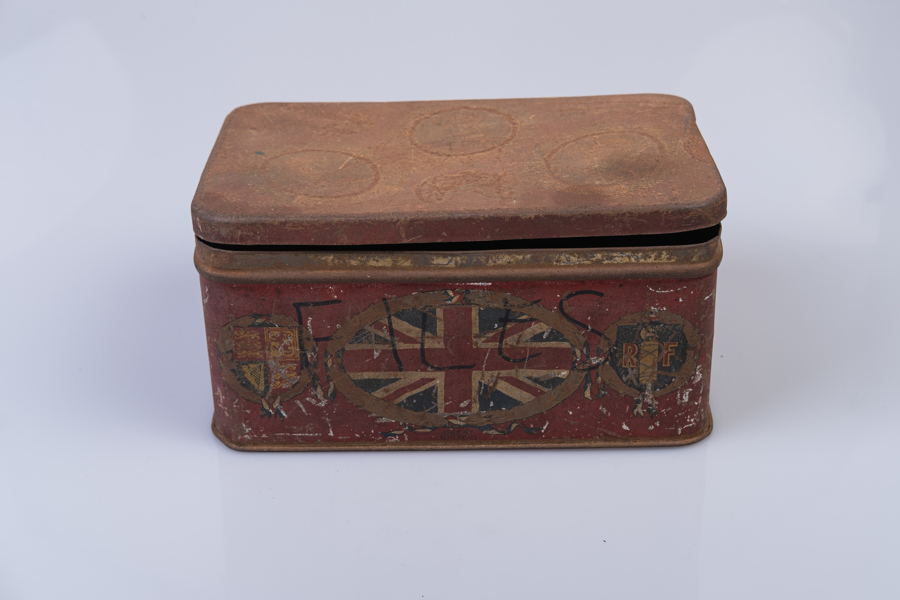
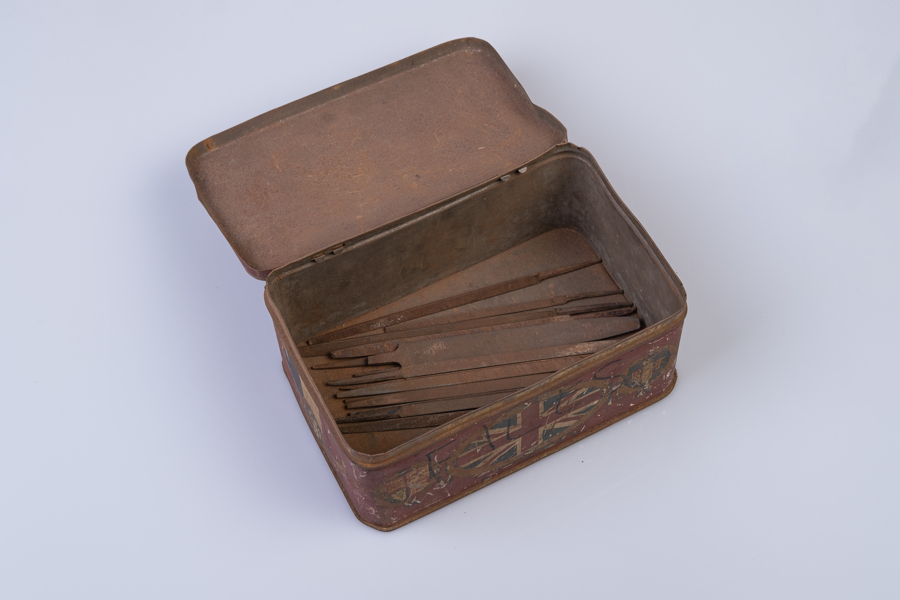
Subiaco Museum has an extensive tool collection with this metal tin of rusty files featured as the October object of the month. 

These tools were owned by David Kennedy who lived at 75 Heytesbury Road, his daughter donated these files from his wooden trunk tool box to the museum's collection upon his passing.

To see more of the museum's tool colletion visit CollectionsWA, or drop in to the museum and see some up close! 


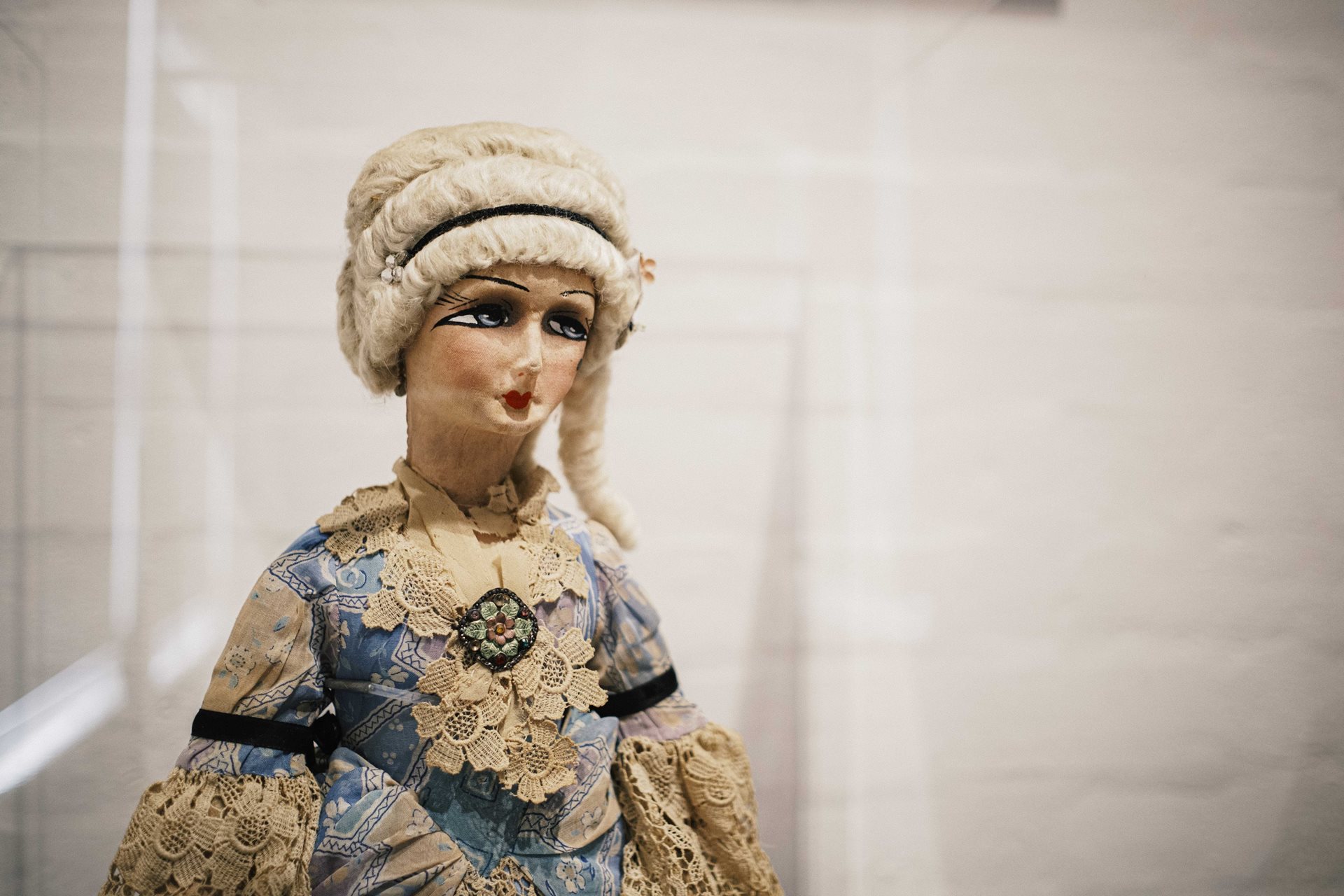
This beautiful French Boudoir Doll was from the Lipfert home at 270 York Street, Subiaco. 

Her dress is that of a Marie Antoinette style, fashionable in the Art Deco period. This doll was probably dressed by Miss Gertrude Lipfert who was a dressmaker specialising in embroidery. The fact that the hands are hand carved wood instead of composition might indicate that Otto Lipfert had a hand in assembling the doll, since he loved woodwork.

Visit this incredible piece in person or visit CollectionsWA to find out more about the details of this item.