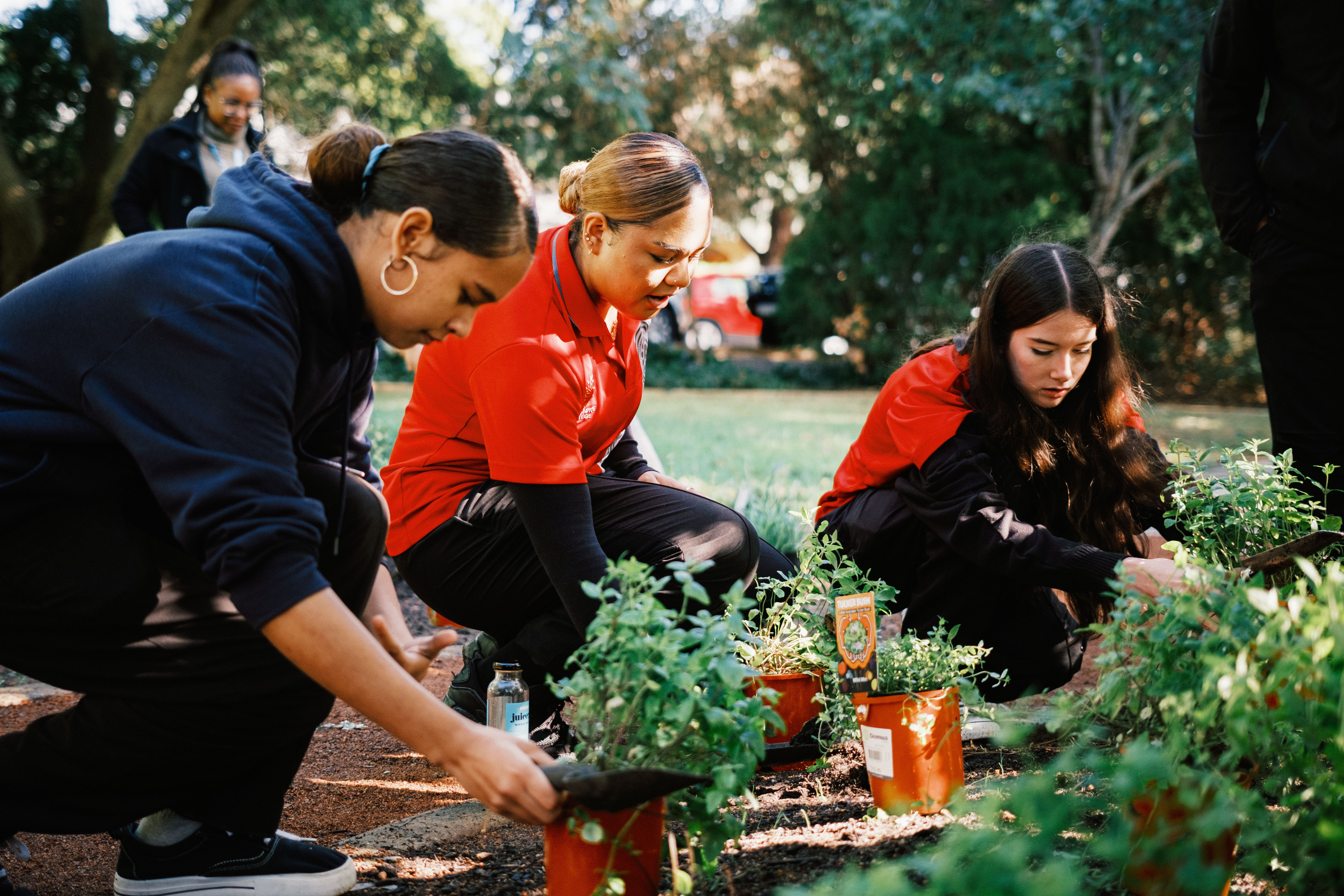
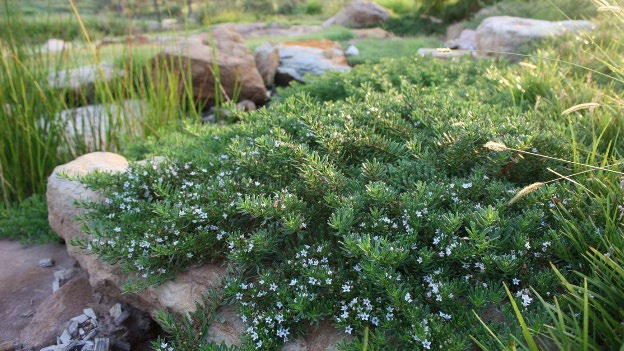
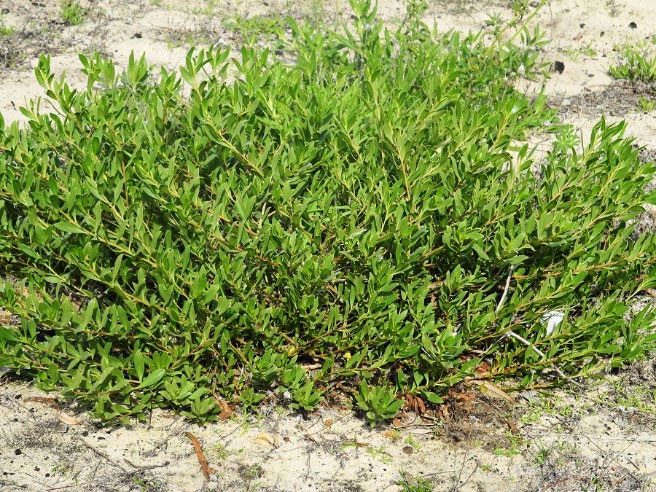
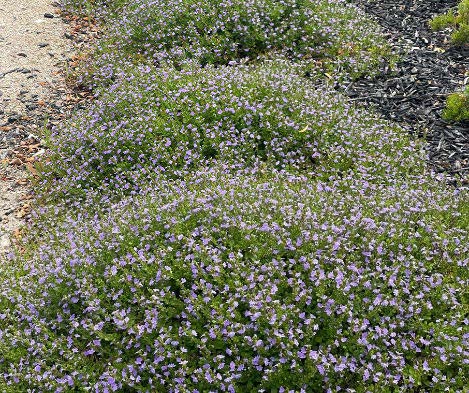
In 2024 the City of Subiaco, with help from the community, planted a bush tucker garden at Theatre Gardens during the launch of the 2024-25 Reconciliation Action Plan.
This garden includes a range of native plants with traditional uses including for medicine, nutrition, and other cultural purposes. Read below for Aboriginal knowledge about the role of these native plants in supporting local biodiversity and how they have been used in the Aboriginal community.
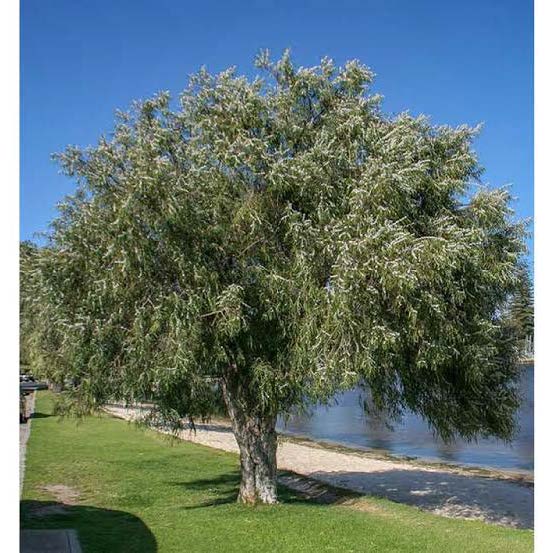
Botanical name: Agonis flexuous
Common name: Peppermint Tree
Noongar name: Wonil
Season: Makuru
Benefits and uses
Noongar people use its peppermint-scented leaves as an antiseptic and a natural decongestant. Mothers crushed the leaves between their palms and placed their warm, scented hands on the chest of babies to ease chest and nasal congestion. Antiseptic decoctions of the leaves are used for minor wounds and as a mouthwash. The smoke from the twigs and leaves is used to treat respiratory problems and the ash was mixed with animal fat and used in poultice to treat wounds and sores.
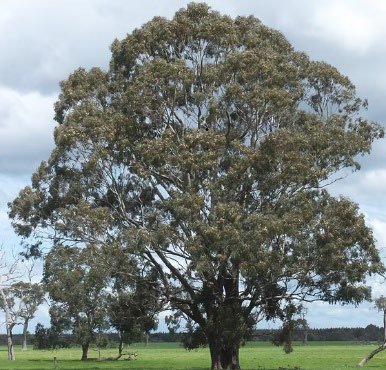
Botanical name: Eucalyptus rudis
Common name: Flooded Gum
Noongar name: Moitch or Koolert
Season: Makuru - Djilba
Benefits and uses
Noongar people use crushed leaves as a poultice to heal sores and inhaling its antibacterial eucalyptus steam to clear congestion, relieve nasal congestion and headaches. Powdered gum from the tree is used on wounds to promote healing. A sugary substance found on the leaves, known as manna or lerp, is collected and eaten as a sweet treat. The leaves are often used in smoking ceremonies for cleansing and health, with leaves known for strong antibacterial properties.
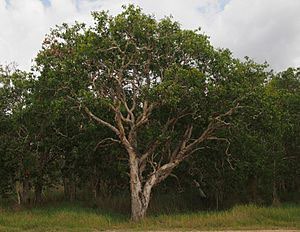
Botanical name: Melaleuca viridiflora
Common name: Broad-leaved paperbark
Noongar name: Bibool
Season: Birak - Bunuru
Benefits and uses
Leaves are boiled, crushed, or soaked to inhale the vapors. This is used to clear coughs, colds, nasal congestion, and headaches, thanks to the natural eucalyptol and terpinen found in the oils. Antiseptic Poultice: Fresh leaves are crushed and applied as a poultice to minor wounds, insect bites, and skin sores to prevent infection. Bathing in an infusion of the leaves helped ease generalized aches, fevers, and joint swelling. The flowering paperbark produces nectar-rich spikes. Noongars and other Aboriginal groups either sucked the nectar directly from the blossoms or soaked the flowers in water to make a sweet, sugary drink.
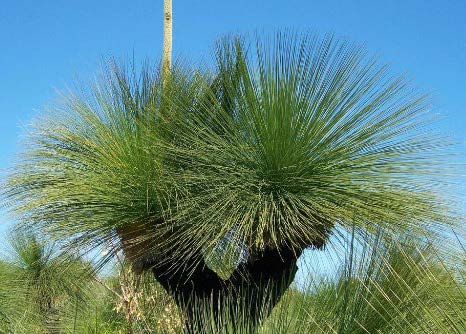
Botanical name: Xanthorrhoea preissii
Common name: Grass Tree
Noongar name: Balga
Season: Kambarang
Benefits and uses
The gum is chewed to relieve diarrhoea and constipation. The pulp from the inside of the top of the tree is eaten to relieve upset stomachs. The smoke for the burning resin is in haled to relieve sinusitis. The white tips at the base of new leaves can be eaten. The resin is used as a tanning agent and glue when melted, and old needles around the trunk make a great fire starter.
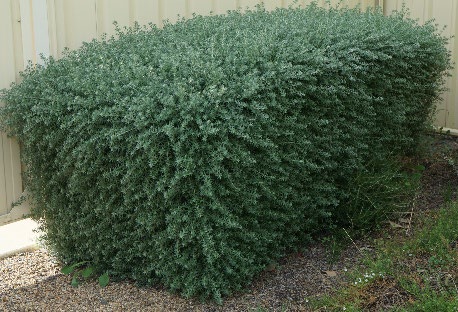
Botanical name: Westringia fruiticosa
Common name: Coastal Rosemary
Noongar name: Unknown
Season: Djilba - Kambarang
Benefits and uses
Coastal herb used to flavour food during cooking.
Botanical name: Olearia axillaris
Common name: Wild rosemary
Noongar name: Yoont Djet
Season: Kambarang - Makuru
Benefits and uses
Known for its strong aroma, the leaves are crushed and applied to the body to repel insects, especially flies, and are used for smoking ceremonies. Can be used as a savory, grassy herb in cooking.
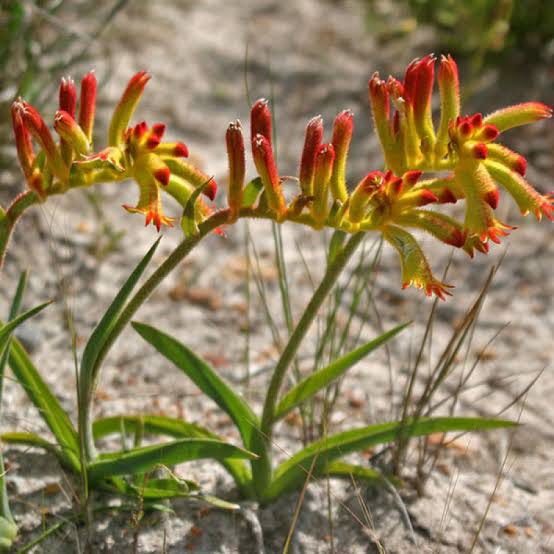
Botanical name: Anigozanthos humilis
Common name: Cat’s Paw
Noongar name: Kurulbrang (same as all Kangaroo paw species)
Season: Kambarang
Benefits and uses
The tuberous roots (bwoor) are a significant source of starchy food, eaten either raw or roasted.
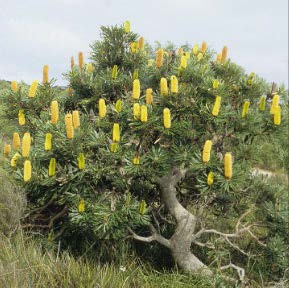
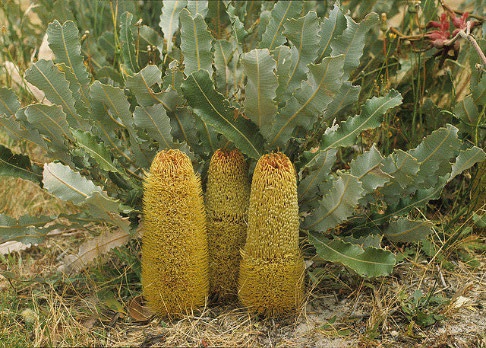
Botanical name: Banksia attenuata ‘Dwarf'
Common name: Sandplain Banksia
Noongar name: Biara or Piara
Season: Kambarang, Birak, and Bunuru
Benefits and uses
The yellow flower spikes are soaked in water to create a sweet, energy-boosting beverage known as mangite (or nguk), drunk during summer. The tips of the young stem buds are chewed as a hunger suppressant and for medicinal purposes, sometimes mixed with buttercup petals and the leaves were utilized to treat colds and headaches. The mature woody cones are used as fire sticks, to carry fire from camp to camp, as they smoulder slowly for long periods.
Botanical name: Banksia petiolaris
Common name: Creeping Banksia
Noongar name: Kaarta mangaara
Season: Djeran and Birak
Benefits and uses
The dried flower cones are cleaned and used as a hairbrush. The flowers provide a high-quality food source. The nectar is consumed by sucking directly on the yellow flower spikes, or by soaking the spikes in water to produce a sweet drink. Infusions of Banksia flowers are used to treat coughs and sore throats, they are also a source of food and are sometimes consumed to alleviate hunger and thirst.
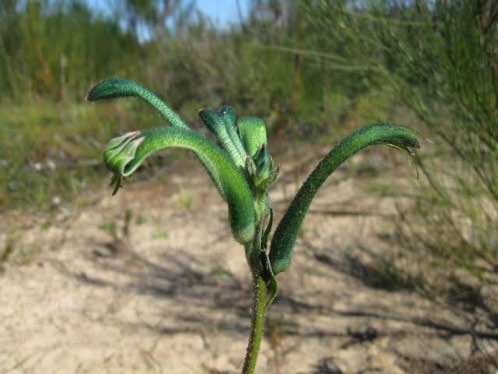
Botanical name: Anigozanthos vividis
Common name: Green Kangaroo Paw
Noongar name: Kurulbrang (same as all Kangaroo paw species)
Season: Kambarang
Benefits and uses
The tuberous roots (bwoor) are a significant source of starchy food, eaten either raw or roasted.
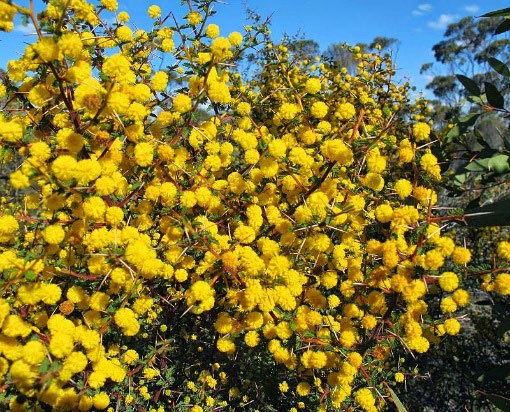
Botanical name: Acacia pulchella
Common name: Prickly Moses Wattle
Noongar name: Mindaleny
Season: Djilba and Kambarang
Benefits and uses
The green seedpods and young leaves are crushed up in water to make a natural bush soap. Juices and decoctions made from the leaves are used as a wash to treat eczema, protect the skin from sunburn, and help repel insects. The seeds are collected and ground into a fine flour, which was then used to bake traditional damper.
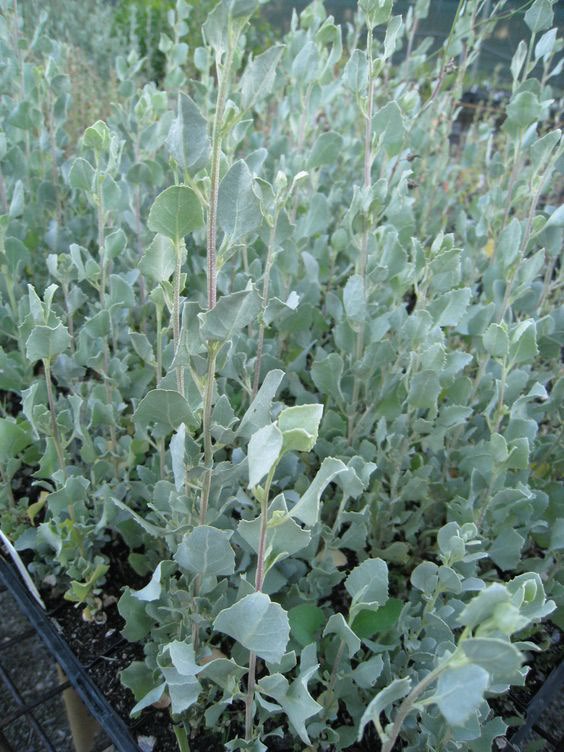
Botanical name: Atriplex nummularia
Common name: Old man saltbush
Noongar name: Purngep, Pining, and Binga
Season: Djeran - Djilba
Benefits and uses
The leaves and roots are boiled in water to create a strong, nutrient-rich wash used to bathe skin abrasions, burns, and sores. While the seeds are collected, ground up, and roasted to make traditional dampers. Because of its natural salty-herby flavour, it is used as a direct salt substitute. Fresh leaves can be wrapped around meats or fish before grilling, blanched as a leafy vegetable, or dried and used as a sprinkle or herb. The large, silvery-blue leaves are packed with protein, antioxidants, and minerals.
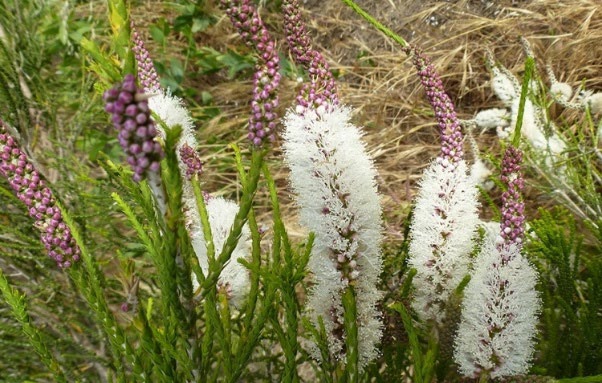
Botanical name: Melaleuca huegelii ‘prostrate’
Common name: Chenille Honey-Myrtle
Noongar name: Yowarl
Season: Kambarang - Birak
Benefits and uses
Leaves are crushed, sucked, chewed, or inhaled to treat congestion, head colds, and influenza. Nectar is sucked directly from the white, bottlebrush-like flowers. Blossoms are also soaked in water to create a sweet drink, which could be fermented into a beverage known as Jep. Branches are used to cover shelters, and because of their pleasant aromatic oil, the leaves are utilized in smoking ceremonies.
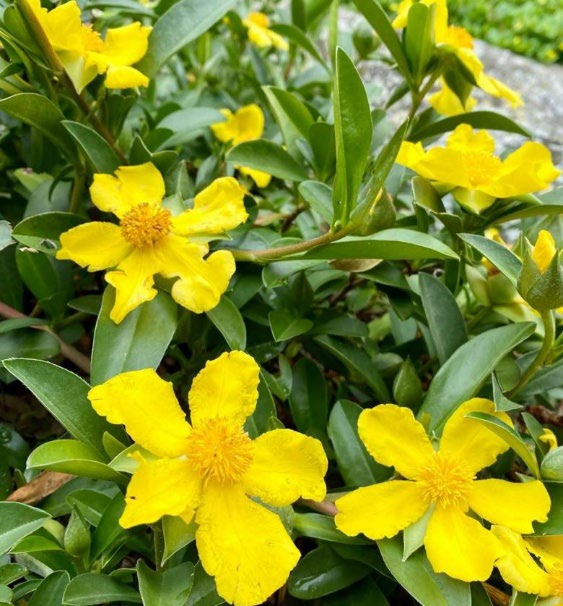
Botanical name: Hibbertia scandens
Common name: Snake Vine or Climbing Guinea Flower
Noongar name: Ballyion
Season: Djilba - Kambarang
Benefits and uses
The leaves and stems are warmed and mashed into a paste, which is applied to joints to treat arthritis and other inflammatory injuries. The sap of the plant is used as a broad-spectrum antiseptic, and it is used to treat sores and rashes.
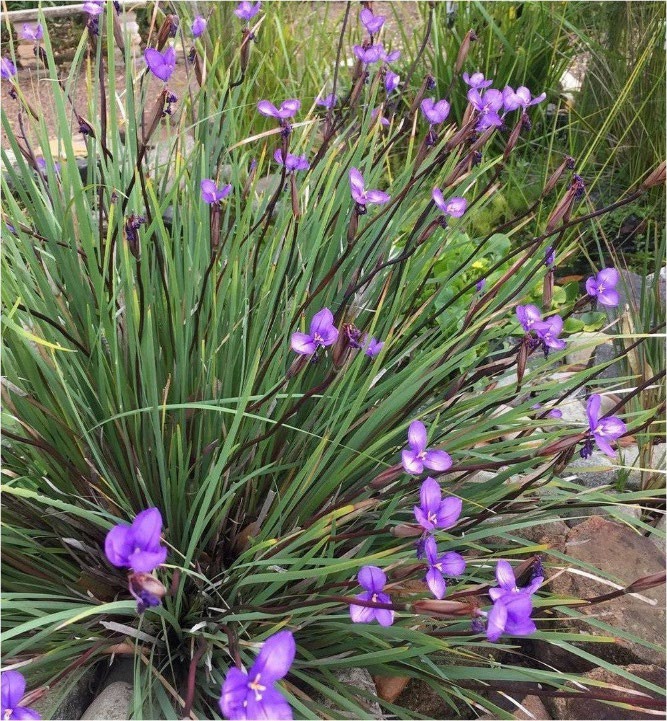
Botanical name: Patersonia occidentalis
Common name: Native Iris
Noongar name: Komma
Season: Makuru
Benefits and uses
The tuberous roots (bwoor) were a significant source of starchy food, eaten either raw or roasted.
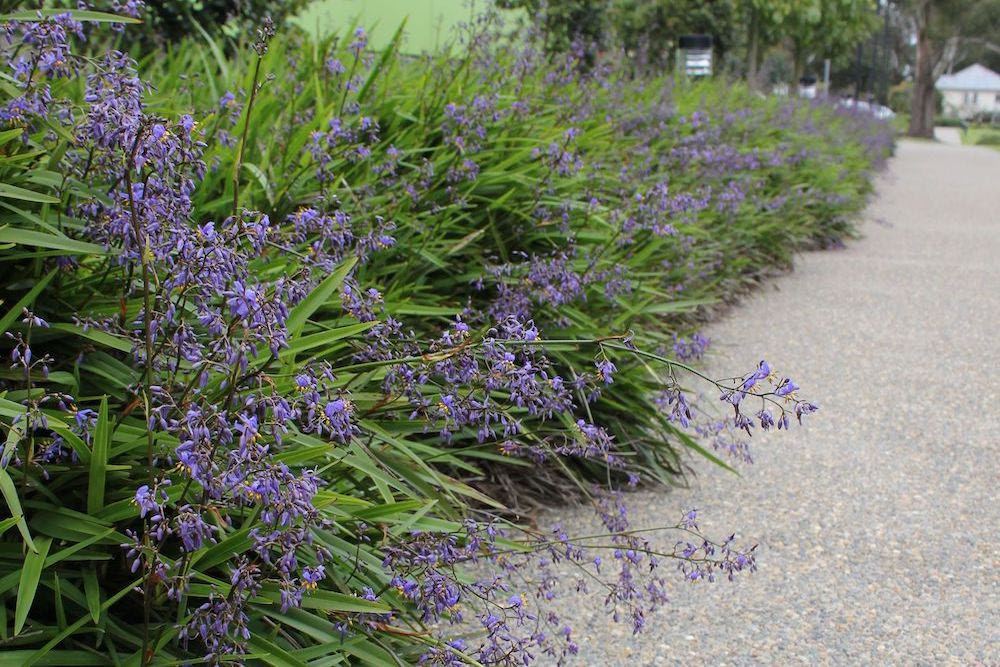
Botanical name: Dianella revoluta
Common name: Blue Flax-Lily
Noongar name: Mangar or Mangard
Season: Makuru
Benefits and uses
A decoction (tea) made from the leaves was traditionally used to treat headaches. A decoction of the bulbous roots was consumed as a remedy for colds. The berries are edible and sweet, often eaten fresh or cooked. The roots can be pounded and roasted. The long, strappy leaves are strong and were used to make string, cordage, and in weaving baskets.
Botanical name: Myoporum parvifolium - Yareena
Common name: Creeping Boobialla
Noongar name: Boobialla
Season: Djilba Kambarang Birak and Bunuru
Benefits and uses
The white to purplish-brown berries that are considered edible and possess a slightly sweet, though sometimes astringent, taste. These berries were historically eaten by Noongar people, particularly when in season, and are described as a popular, nutritious bush food. The medicinal benefits, often used to help fight illness and improve immune system health.
Botanical name: yoporum insulare
Common name: Prostrate coastal boobialla
Noongar name: Boobialla
Season: Djilba Kambarang Birak and Bunuru
Benefits and uses
The white to purplish-brown berries that are considered edible and possess a slightly sweet, though sometimes astringent, taste. These berries were historically eaten by Noongar people, particularly when in season, and are described as a popular, nutritious bush food. The medicinal benefits, often used to help fight illness and improve immune system health.
Botanical name: Scaevola crassifolia
Common name: Cushion Fan Flower
Noongar name: Murin Murin
Season: Makuru and Bunuru
Benefits and uses
Leaves are used traditionally in poultices to stop bleeding, with mud sometimes added to assist with healing.
This information is provided by Karen Jacobs, Principal of Indigenous Economic Solutions Pty Ltd. Karen is a bloodline descendant and a Traditional Owner of Whadjuk Country in the Perth area, Western Australia.